
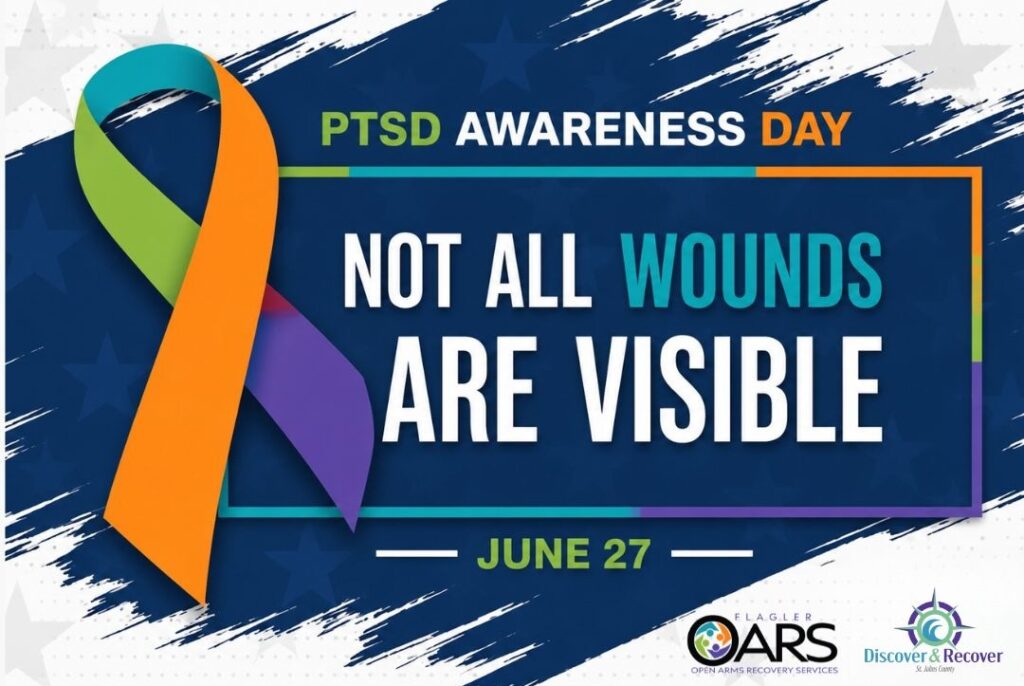
National PTSD Awareness Day is a reminder that trauma is more common than many people realize and that healing is possible. Post-traumatic stress disorder (PTSD) can develop after experiencing or witnessing a frightening, dangerous, or life-threatening event. It can also follow ongoing stress and trauma over time. PTSD does not look the same for everyone, and it is not a sign of weakness. It is a human response to experiences that overwhelmed the mind and body’s ability to cope in the moment.
What PTSD can feel like
PTSD may show up in ways that are easy to miss or misunderstand. Some people experience intrusive memories, nightmares, or flashbacks. Others feel constantly on edge, irritable, or unable to relax. Some avoid places, people, or conversations that remind them of what happened. Many people describe feeling numb, disconnected, or “not like themselves.” Sleep problems, difficulty concentrating, and changes in mood can affect relationships, work, and daily routines.
PTSD and substance use: a common connection
For some individuals, alcohol or other substances can become a way to manage symptoms, at least temporarily. Using substances to cope with anxiety, panic, insomnia, or painful memories can feel like relief at first, but it often creates new challenges over time. This is one reason PTSD and substance use disorder can be closely connected. When trauma is left unaddressed, recovery can feel harder, and setbacks can feel discouraging.
If you recognize this pattern in your own life or in someone you care about, it is important to know that you are not alone and you are not beyond help. With the right support, people can learn healthier ways to cope, rebuild stability, and move forward.
What healing can look like
Healing does not mean “forgetting” what happened. It can mean learning tools that help you feel safer in your body, calmer in your mind, and more connected in your relationships. It can mean having support from people who understand, building routines that protect your wellbeing, and getting connected to trauma-informed care.
Small steps matter. Talking with a trusted friend, joining a support group, meeting with a counselor, or connecting with peer support can be a strong start.
How Flagler OARS can help
Flagler Open Arms Recovery Services (Flagler OARS) provides education, support, and peer services to individuals and families impacted by substance use disorder. If PTSD symptoms, anxiety, or past experiences are affecting your day-to-day life, you do not have to carry it alone. Our team can help you explore support options and connect with resources.
You deserve support
On National PTSD Awareness Day, we want you to hear this clearly: what happened to you matters, your wellbeing matters, and help is available. If you are ready to take a step, reach out to Flagler OARS to learn more about peer support and recovery resources.