
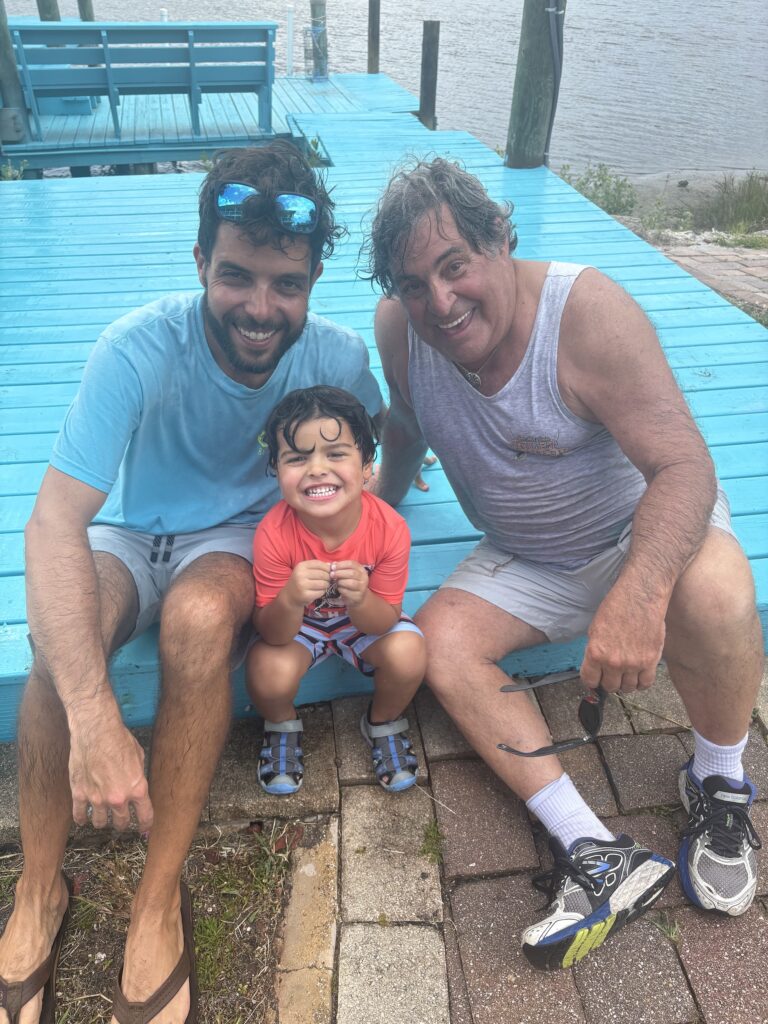
Father’s Day can bring up a lot of emotions. For some, it’s a joyful celebration filled with phone calls, cookouts, and memories. For others, it’s complicated, marked by distance, grief, or the ache of what you wish had been different.
At Flagler OARS, we see the full spectrum. We support individuals and families impacted by substance use disorder, and we know that recovery doesn’t happen in isolation. It happens in relationships. And for many people, dads and father figures play a powerful role in shaping identity, stability, and hope.
Whether you’re a dad, you have a dad, you miss a dad, or you’re grateful for someone who stepped into that role, this season is a good time to reflect on why father figures matter and how we can strengthen the support systems that help people heal.
What a “Father Figure” Really Means
A father figure isn’t only a biological parent. It can be a stepdad, grandfather, uncle, coach, mentor, teacher, neighbor, or family friend. It’s anyone who offers consistent care, guidance, and protection, especially when life feels uncertain.
In recovery, that kind of steady presence can be life-changing. When someone is trying to rebuild their life, they often need more than encouragement. They need someone who will show up, keep showing up, and remind them that they are worth the effort.
Why Dads and Father Figures Matter in Recovery
Recovery is not just about stopping a substance. It’s about rebuilding routines, relationships, and trust. It’s about learning how to handle stress, emotions, and triggers in healthier ways. Supportive father figures can help in several key ways:
They model stability
Consistency is a form of safety. A father figure who keeps their word, follows through, and stays calm during hard moments shows what stability looks like. That matters for children, teens, and adults alike.
When someone has experienced chaos, trauma, or instability, steady support can be the difference between giving up and trying again.
They reinforce identity and self-worth
Many people struggling with substance use carry deep shame. They may believe they’re a burden, a failure, or beyond help. A supportive father figure can counter that narrative with something simple but powerful: belief.
Not pressure. Not lectures. Belief.
Sometimes the most healing words are:
I’m proud of you for taking this step.
I’m here.
You’re not alone.
They help create accountability without humiliation
Accountability is essential in recovery, but it has to be paired with dignity. Father figures can help set boundaries that protect everyone involved, while still communicating love and respect.
Boundaries might sound like:
•I can’t support behaviors that harm you or the family.
•I will support treatment, meetings, counseling, and healthy choices.
•I’m willing to talk when you’re sober and safe.
That kind of clarity can help a person in recovery understand that support is real, and it’s not the same as enabling.
They influence the next generation
Substance use disorder affects families across generations, but so does healing. When dads and father figures choose to be present, emotionally available, and consistent, they help break cycles.
Kids notice effort. They notice change. They notice when adults take responsibility and seek help. Father figures who show growth teach children that it’s possible to make a different choice, even after hard seasons.
If You’re a Dad in Recovery
If you’re a father working toward recovery, please hear this clearly: your presence matters. Your progress matters. Even small steps matter.
You don’t have to be perfect to be impactful. You don’t have to have a spotless past to build a healthier future. Many dads carry guilt about time lost, words said, or moments missed. That guilt can either keep you stuck, or it can become fuel for change.
A few meaningful actions that build trust over time:
- Show up when you say you will
- Apologize without excuses
- Create simple routines (a weekly call, a walk, a meal together)
- Stay connected to support (peer support, counseling, meetings)
- Ask for help before you’re overwhelmed
Your family may need time. That’s okay. Recovery is not only personal, it’s relational, and rebuilding takes patience. Keep going.
If You Love Someone Struggling
If you’re a dad or father figure supporting someone who is struggling, you may feel exhausted, worried, or unsure what to do next. It’s common to feel torn between helping and protecting your own well-being.
Here are a few supportive, practical ways to help:
- Focus on safety first. If there’s immediate danger, call 911.
- Keep communication simple and calm. You don’t have to win an argument to make a difference.
- Encourage professional support. Treatment, counseling, and peer support can provide structure that families can’t do alone.
- Set boundaries that protect your home and your peace. Boundaries are not punishment. They are protection.
- Get support for yourself. You deserve care, too.
A Father’s Day Reminder for Our Community
Father’s Day is a reminder that strong communities are built through consistent care. Not every story is easy, but every person deserves support, dignity, and the chance to heal.
At Flagler OARS, we believe recovery is possible, and we believe families and father figures can be part of that journey in a healthy, empowering way.
If you or someone you love needs support, Flagler OARS is here for you.
You are not alone.