
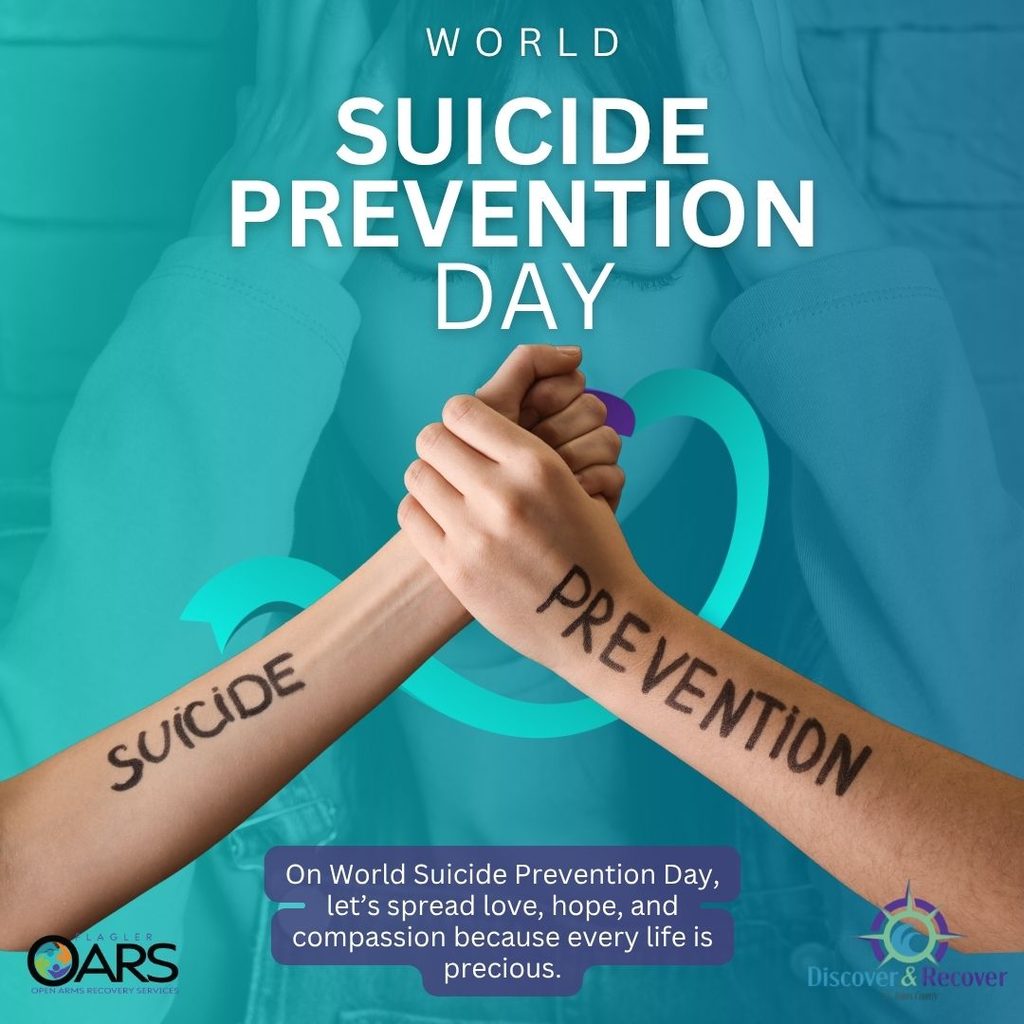
World Suicide Prevention Day is a reminder that words matter. When someone is struggling, the right response does not have to be perfect. It just needs to be human, present, and supportive.
If you are worried about someone, trust your instincts. Reaching out can feel uncomfortable, but silence can feel like isolation. A simple check in can help someone feel seen.
Start with presence, not solutions
Many people avoid reaching out because they are afraid of saying the wrong thing. The goal is not to fix everything in one conversation. The goal is to help the person feel less alone and to connect them to support.
Try to lead with:
- I am here with you.
- I care about you.
- You matter to me.
- I do not have all the answers, but I will stay with you while we figure out next steps.
What to say: helpful phrases that open the door
These phrases communicate care without judgment:
- I have noticed you seem overwhelmed lately. How are you really doing?
- I am glad you told me.
- Thank you for trusting me.
- That sounds really heavy. I am sorry you are carrying that.
- Do you want to talk, or would it help if I just sat with you?
- What would feel supportive right now?
- Can we make a plan for the next hour or the rest of today?
Simple check in texts you can send
If a call feels like too much, a text is still a connection:
- Thinking about you today. No pressure to respond, but I am here.
- Want to take a short walk or grab coffee this week?
- I am free tonight if you want company.
- You have been on my mind. How are you holding up?
What not to say: phrases that can unintentionally shut someone down
Even well meaning words can land as dismissive. Try to avoid:
- You have so much to live for.
- Others have it worse.
- Just stay positive.
- Everything happens for a reason.
- You do not mean that.
- You are being dramatic.
These phrases can make someone feel misunderstood or guilty for struggling.
Better alternatives to common missteps
Here are a few swaps that keep the conversation open:
| Instead of | Try this |
| You will be fine | I am here with you. Let us take this one step at a time |
| Do not think like that | I am really glad you told me. That sounds painful |
| Just calm down | Let us slow things down together. Want to take a few breaths with me |
| You should be grateful | What you are feeling makes sense given what you are going through |
If you are worried about immediate safety
It is okay to ask directly. Asking does not put the idea in someone’s head. It can create relief and clarity.
You can say:
- Are you thinking about hurting yourself?
- Have you been thinking about suicide?
- Do you have a plan right now?
If the answer is yes, stay with them and get help.
How to help in a practical way
Support is not only words. It is also action.
Consider offering:
- Can I sit with you for a while?
- Can I help you call or text 988?
- Can I drive you to an appointment?
- Can we remove anything that could be used for self harm from the room for now?
- Who is one other person you trust that we can loop in?
If you are not physically near them, stay on the phone while they connect to help.
A reminder for caregivers and friends
You do not have to carry this alone either. If you are supporting someone in crisis, it is normal to feel scared, tired, or unsure. Reach out for support for yourself as well.
If you need help
If you or someone you know is struggling, help is available.
- Call or text 988 to reach the Suicide and Crisis Lifeline (24/7)
- If you are in immediate danger, call 911
Flagler OARS is here to help connect our community to resources and support. You are not alone.